
Imagine feeling energized every morning, warding off illnesses with ease, and even looking forward to your meals because they’re both tasty and good for you. That’s the power of focusing on more nutrition in your diet. In a world full of fast food and sugary snacks, it’s easy to overlook how simple changes can pack a punch in boosting your health. But hey, getting more nutrition isn’t about strict rules—it’s about making smart choices that add up over time. As an expert in nutritional writing with years of researching dietary trends, I can tell you that embracing more nutrition leads to a brighter, healthier life. Let’s dive in and explore how you can achieve that.
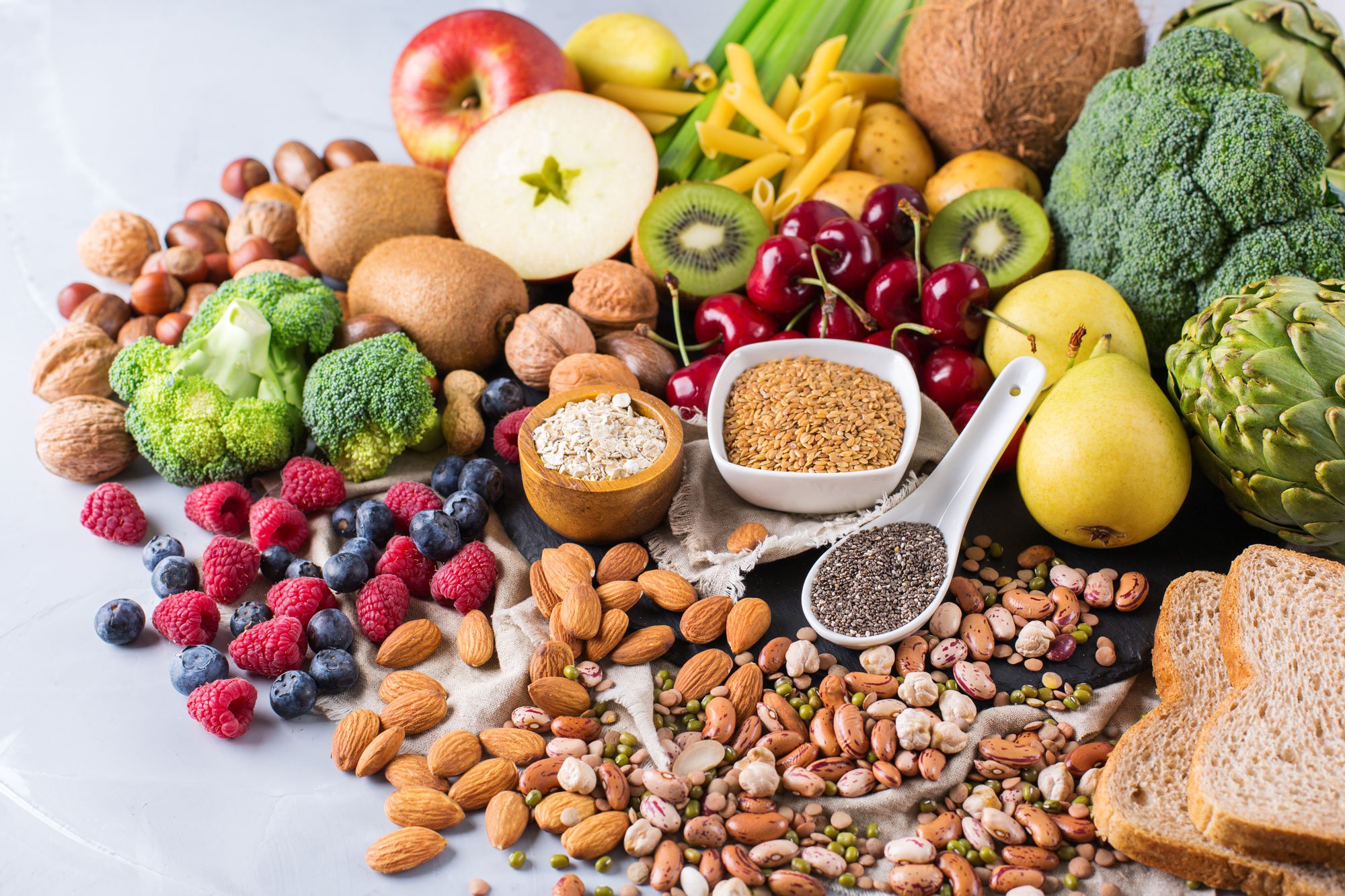
8 Heart-Healthy Foods To Boost Your Diet | One Medical
Understanding More Nutrition
More nutrition means loading up on foods that give your body the vitamins, minerals, and other goodies it craves without piling on empty calories. Think of it as fueling your engine with premium gas instead of the cheap stuff—it runs smoother and lasts longer. Nutrient-dense foods are the stars here; they’re packed with essentials like fiber, protein, and antioxidants, all while keeping calorie counts in check.
Why does this matter? Well, in daily life, more nutrition supports everything from strong bones to a sharp mind. For instance, including a rainbow of fruits and veggies ensures you’re getting a mix of nutrients that work together like a well-oiled machine. Potatoes and French fries don’t count as veggies on a healthy plate, by the way—they can spike blood sugar without much benefit. Instead, aim for variety, and you’ll notice the difference in how you feel.
Transitional phrases like “on the flip side” help us see that skimping on nutrition can lead to fatigue or even health issues down the road. But don’t worry; building more nutrition into your routine is doable and rewarding.
The Amazing Benefits of More Nutrition
Oh boy, the perks of ramping up your nutrition are endless! First off, it can help you live longer and keep your skin, teeth, and eyes in top shape. Who wouldn’t want that? More nutrition boosts your immune system, making it easier to fight off colds and stay active.
It also strengthens muscles and bones, lowering the risk of heart disease, diabetes, and some cancers. For expecting moms, it’s a game-changer, supporting healthy pregnancies and breastfeeding. Plus, it keeps your digestive system humming along smoothly and helps maintain a healthy weight without feeling deprived.
In everyday terms, more nutrition means more energy to tackle your day, better sleep, and even a sharper focus. Studies show that nutrient-rich diets delay aging effects, like keeping your skin glowing with foods such as tomatoes and berries. It’s like giving your body a daily high-five—optimistic, right? Embracing more nutrition truly enhances quality of life, from preventing diseases to supplying steady energy.
Choosing Foods That Deliver More Nutrition
Picking the right foods is key to getting more nutrition. Start by focusing on whole, unprocessed options that are naturally loaded with goodness. For example, opt for whole grains over refined ones; they’re higher in fiber and nutrients that keep you full and energized.
Look for labels or use tools like the American Heart Association’s Heart-Check mark to spot nutrient-dense picks. When shopping, fill your cart with colorful produce—aim for at least five servings a day of fruits and veggies. Berries, dark leafy greens, and nuts are superstars here.
Don’t forget proteins: lean meats, fish, beans, and low-fat dairy add muscle-building power without excess fat. Limit red meats and processed stuff to keep things balanced. And hey, hydration counts too—swap sugary drinks for water to support overall nutrition. By choosing wisely, you’re setting yourself up for more nutrition in every bite.
Top Nutrient-Dense Foods for More Nutrition
Let’s get specific about foods that pack the most punch. Salmon tops the list with omega-3s, protein, and vitamins like B and selenium. It’s great for heart and brain health.
Dark leafy greens like spinach and kale offer iron, vitamins A and C, and fiber—essential for digestion and immunity. Eggs provide high-quality protein and nutrients for eyes and muscles. Avocados bring healthy fats that help absorb other vitamins.
Whole grains such as quinoa and brown rice deliver fiber and energy-sustaining carbs. Beans and lentils are affordable powerhouses of protein and minerals. Nuts like almonds add crunch and heart-healthy fats. Including these in your meals ensures more nutrition without much effort.
Here’s a quick table to compare some top picks:
| Food | Key Nutrients | Benefits |
|---|---|---|
| Salmon | Omega-3s, Protein, B Vitamins | Supports heart, brain, immunity |
| Spinach | Iron, Vitamins A/C/K, Fiber | Boosts energy, digestion, bone health |
| Eggs | Protein, Choline, Vitamin D | Builds muscles, aids brain function |
| Avocados | Healthy Fats, Potassium, Fiber | Improves nutrient absorption, heart health |
| Quinoa | Protein, Fiber, Magnesium | Provides sustained energy, supports muscles |
Incorporating these foods daily ramps up more nutrition effortlessly.
Cooking Techniques to Maximize More Nutrition
Cooking smartly preserves and even enhances nutrients. Steaming veggies instead of boiling keeps vitamins from leaching out—perfect for broccoli or carrots. Roasting brings out flavors in sweet potatoes without needing much oil.
Use healthy oils like olive or canola for sautéing; they add good fats while cooking. Avoid deep-frying to cut down on unnecessary calories. Blending fruits into smoothies retains fiber that juicing might lose.
Season with herbs and spices instead of salt for flavor without sodium overload. Batch cooking nutrient-rich meals like stir-fries saves time and ensures more nutrition throughout the week. Remember, gentle cooking methods keep the goodness locked in.
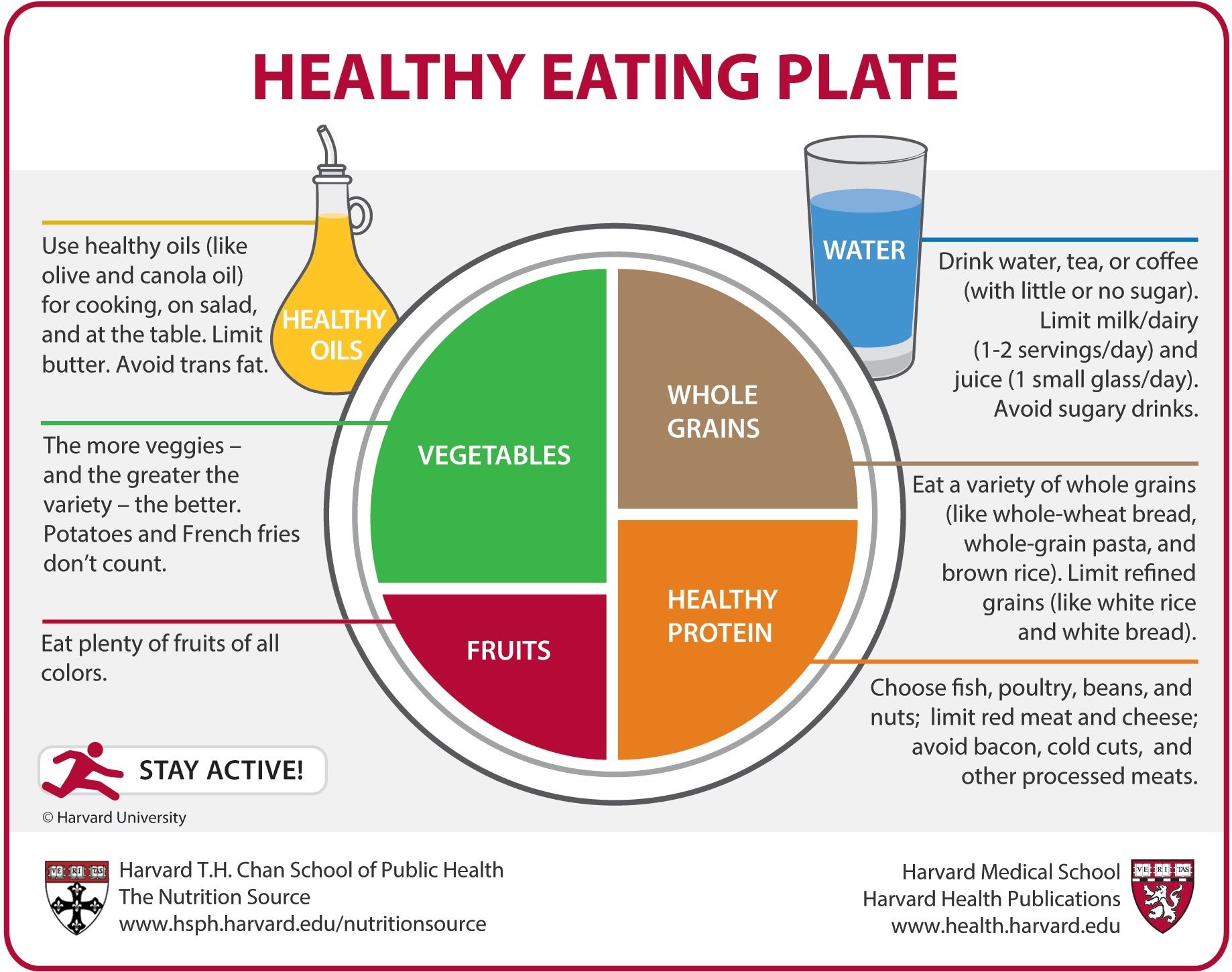
Healthy Eating Plate • The Nutrition Source
Delicious Recipes Packed with More Nutrition
Who says healthy can’t be yummy? Try this simple salmon stir-fry: Grill salmon with veggies like bell peppers and broccoli, toss with quinoa, and drizzle lemon. It’s loaded with omega-3s and fiber.
For a veggie boost, make a chickpea salad: Mix chickpeas, cucumber, tomatoes, and feta with lemon dressing. Quick and full of protein.
Black bean and corn salsa: Combine beans, corn, tomatoes, onions, and cilantro—great as a dip or side, bursting with nutrients.
These recipes are easy, using everyday ingredients for more nutrition.
- Mediterranean Fish with Greens: Sauté fish with mushrooms and greens for iodine and vitamins.
- Curried Brown Rice: Add pumpkin seeds and spinach for magnesium.
- Banana Cocoa Yogurt Pops: Freeze yogurt with bananas for a treat with zinc.
Experimenting in the kitchen makes getting more nutrition fun and sustainable.
Building Daily Meal Plans for More Nutrition
Planning meals ahead ensures consistent more nutrition. Start your day with oatmeal topped with berries and nuts—fiber-rich and energizing.
Lunch could be a turkey wrap with hummus and greens on whole wheat—balanced protein and veggies. Dinner: Grilled chicken with quinoa and steamed broccoli.
Snacks like yogurt or apple slices keep energy steady. Aim for half your plate as fruits/veggies, a quarter protein, a quarter grains. Weekly plans prevent last-minute unhealthy choices, leading to more nutrition naturally.
Overcoming Common Barriers to More Nutrition
Life gets busy, but barriers to more nutrition are beatable. If time’s short, prep veggies in advance or use frozen ones—they’re just as nutritious.
Budget concerns? Beans and eggs are cheap yet nutrient-packed. Cravings for junk? Swap with healthier versions, like baked sweet potato fries.
Family picky eaters? Involve them in cooking to build excitement. Staying motivated? Track how better eating improves your mood and energy. With small steps, like adding one veggie per meal, you’ll overcome hurdles and embrace more nutrition.
The Role of Supplements in Achieving More Nutrition
While whole foods are best, supplements can fill gaps in more nutrition. For example, if you lack sun, vitamin D supplements support bones.
Calcium from dairy might need boosting if you’re dairy-free. Omega-3 pills help if fish isn’t your thing. But consult a doctor—supplements aren’t magic and work best alongside a varied diet.
They’re tools, not replacements, for getting more nutrition when food alone falls short.
Fazit
In wrapping up, pursuing more nutrition transforms your health in wonderful ways, from boosted energy to disease prevention. By choosing nutrient-dense foods, cooking wisely, and planning meals, you’ve got the blueprint for success. Remember, it’s about progress, not perfection—small changes lead to big results. Stay optimistic; your body will thank you with vitality and strength. Embrace more nutrition today for a healthier tomorrow.
FAQs
What exactly does “more nutrition” mean in a diet? More nutrition refers to consuming foods rich in vitamins, minerals, and other essentials while minimizing empty calories for optimal health.
How can I start adding more nutrition to my meals right away? Begin by including a variety of fruits and vegetables in every meal, switching to whole grains, and choosing lean proteins—simple swaps make a difference.
Are supplements necessary for more nutrition? Not always; whole foods should come first, but supplements can help fill specific gaps, like vitamin D, after consulting a professional.
What are some quick snacks that provide more nutrition? Try nuts, yogurt with berries, or apple slices with nut butter—they’re portable and packed with nutrients to keep you going.
Can kids benefit from focusing on more nutrition too? Absolutely! More nutrition supports growth, brain development, and strong immunity in children, making it essential for the whole family.