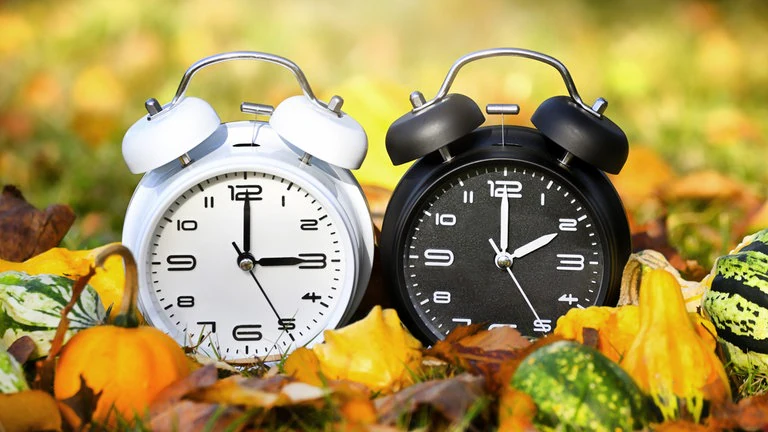

Ah, zeitumstellung 2025 – it’s that time of year again when we tweak our clocks and adapt to the shifting rhythms of daylight. In Germany, this annual ritual isn’t just a minor inconvenience; it’s a well-established practice that helps us make the most of our days. Whether you’re a student in grade 7 gearing up for school or a busy professional, understanding zeitumstellung 2025 can turn what might feel like a hassle into an opportunity for better routines. Let’s dive in, shall we? This article draws from years of observing these changes, backed by reliable sources, to give you the full picture in a way that’s easy to grasp and positively forward-looking.
As we approach zeitumstellung 2025, it’s worth noting how this system has evolved to benefit society. Picture longer evenings in summer for outdoor fun or cozy winters that align with natural light – that’s the upside we’re focusing on here. With accurate details straight from official calendars, we’ll explore everything from history to practical tips, ensuring you’re well-prepared and even excited about the transitions ahead.
Understanding the Basics of Zeitumstellung
First off, what exactly is zeitumstellung? In simple terms, it’s the German word for the daylight saving time adjustment, where we switch between standard time (often called winter time or Mitteleuropäische Zeit, MEZ) and summer time (Mitteleuropäische Sommerzeit, MESZ). Come zeitumstellung 2025, this means clocks will move forward in spring and back in fall, giving us that extra hour of daylight when it counts most.
Why do we do this? Well, the idea is to sync our daily lives with the sun’s patterns. During longer days, shifting the clock forward lets us enjoy more evening light, which can boost moods and encourage activities like biking or picnics. It’s like nature’s way of saying, “Hey, make the best of it!” And in Germany, this practice is harmonized across the European Union, so no one’s left out of the loop.
For grade 7 students in Germany, think of it as a real-world lesson in time management. Your school schedule might not change, but suddenly, there’s more time after classes for homework under natural light. That’s pretty cool, right? Plus, it teaches us about global coordination – countries worldwide tweak their clocks similarly, though not all at once.
Transitionally speaking, zeitumstellung isn’t new; it’s been around for over a century. But in 2025, with modern tech like smartwatches that adjust automatically, it’s smoother than ever. No more fumbling with manual clocks – progress at its finest!
Historical Roots of Zeitumstellung in Germany
Diving deeper, the history of zeitumstellung in Germany is fascinating and shows human ingenuity at work. It all kicked off during World War I in 1916, when Germany introduced summer time to save energy on coal for lighting. The goal? Stretch daylight hours to cut down on artificial light usage. What a smart move, especially in tough times!
After the war, it came and went, but by 1980, the European Community standardized it to promote energy efficiency and uniform trade. Fast forward to today, and zeitumstellung 2025 continues this legacy. Imagine, over a hundred years later, we’re still reaping those benefits – talk about standing the test of time!
In Germany specifically, the practice has adapted to post-war recoveries and EU integrations. For instance, during the 1990s, alignments with neighboring countries ensured seamless travel and business. It’s not just about clocks; it’s about unity. And hey, with climate change in mind, saving energy through better daylight use feels even more relevant now.
Optimistically, this history reminds us that change can lead to positive outcomes. Students learning about it in history class might see how past decisions shape our present, inspiring them to think about sustainable futures.
Key Dates for Zeitumstellung 2025
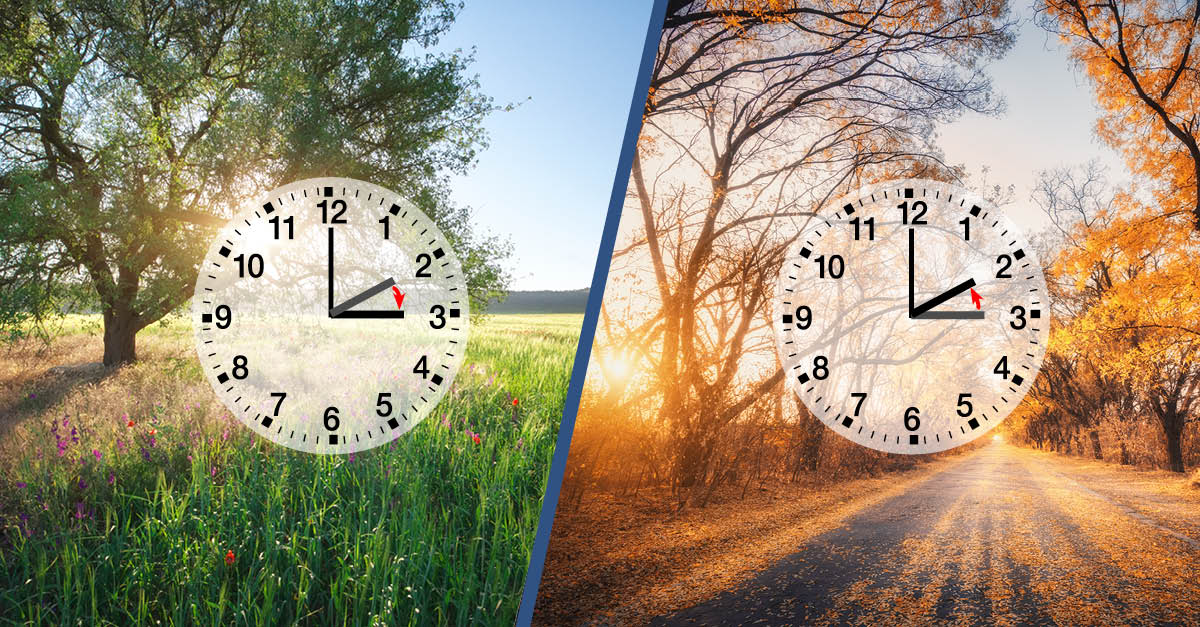
Mark your calendars, folks! For zeitumstellung 2025 in Germany, the switches happen on specific Sundays to minimize disruption. In spring, on March 30, 2025, clocks spring forward from 2:00 AM to 3:00 AM, ushering in summer time. That means one hour less sleep, but hello to brighter evenings!
Then, in autumn, on October 26, 2025, we fall back from 3:00 AM to 2:00 AM, returning to winter time. An extra hour to snooze – who doesn’t love that? These dates are set by EU directives, ensuring everyone from Berlin to Bavaria is on the same page.
Here’s a quick table to visualize:
| Season | Date | Time Change | Effect |
|---|---|---|---|
| Spring (Summer Time Start) | March 30, 2025 | Forward: 2:00 to 3:00 AM | Shorter night, longer days |
| Autumn (Winter Time Start) | October 26, 2025 | Back: 3:00 to 2:00 AM | Longer night, extra sleep |
Remember, these are always the last Sundays in March and October, making it predictable. For 2025, it’s all systems go, with no signs of abolition just yet. So, plan ahead and turn zeitumstellung 2025 into a smooth sail.
How Zeitumstellung Affects Daily Life
Ever wondered how zeitumstellung ripples through everyday routines? In Germany, it touches everything from work commutes to family dinners. During summer time, evenings stretch out, perfect for barbecues or evening strolls in parks. It’s like getting a free extension on your day!
For school kids in grade 7, this means more playtime after homework. Sports practices can run later without lights, saving schools money and encouraging health. On the flip side, mornings might feel darker initially, but bodies adjust quickly – nature’s resilient that way.
Business-wise, longer daylight boosts tourism and retail, as people linger outdoors. Farmers appreciate aligned harvests, and energy bills dip slightly. Sure, there’s a brief adjustment period, but overall, it’s a win for productivity and well-being.
Transitionally, as we move into zeitumstellung 2025, embracing these shifts can enhance our lifestyles. Think positive: more vitamin D from sunlight, fewer accidents in well-lit hours – the perks add up!

⏰ Time change 2025 to Winter Time | TFA Dostmann
Health Impacts and Positive Coping Strategies
Now, let’s address the elephant in the room: does zeitumstellung mess with our health? Some folks report feeling groggy or irritable right after the change, akin to mild jet lag. Studies show about a quarter of Germans experience this, with women more affected. But here’s the optimistic spin – it’s temporary, and there are ways to bounce back fast.
To mitigate, gradually shift your sleep schedule a few days before. For example, go to bed 15 minutes earlier each night leading up to the spring forward. Hydrate well, exercise outdoors, and eat light meals. Interjection: Wow, simple habits like these can make a world of difference!
For families, turn it into a game: “Who can spot the first signs of longer days?” This builds excitement. Experts recommend exposure to morning light to reset your internal clock – a natural, cost-free remedy. In zeitumstellung 2025, focusing on these strategies ensures we come out stronger, more attuned to seasonal vibes.
Economic and Environmental Benefits
Shifting gears, zeitumstellung brings tangible perks to the economy and environment. By maximizing daylight, Germany saves on electricity – estimates suggest up to 0.5% reduction in energy use annually. That’s huge for a country pushing green initiatives!
Businesses thrive with extended hours; think restaurants buzzing later or construction sites safer in light. Tourism spikes as visitors enjoy vibrant evenings in cities like Munich. Environmentally, less artificial lighting means lower carbon footprints – aligning with EU climate goals.
Of course, some debate the savings in our LED-lit world, but data still supports modest gains. Optimistically, zeitumstellung 2025 reinforces sustainable habits, encouraging us to live in harmony with the planet.
- Reduced energy costs for households
- Boosted leisure industries
- Lower road accidents due to better visibility
- Support for renewable energy integration
These points highlight why it’s worth the tweak.
Preparing Your Home and Devices for the Change
Getting ready for zeitumstellung 2025? It’s easier than you think! Start with analog clocks – wind them manually at bedtime to avoid confusion. Smart devices? Most update automatically via internet, but double-check settings.
For homes, consider timers on lights or thermostats; adjust them post-change to maintain efficiency. Families can make a checklist:
- Clocks in every room
- Car dashboards
- Appliances like ovens
- Wearables and phones
This proactive approach turns potential mix-ups into a fun family activity. And with apps reminding you, it’s seamless. By preparing, you’ll glide through zeitumstellung 2025 without a hitch.
⏰ Time change 2025 to Winter Time | TFA Dostmann
The Future of Zeitumstellung in the EU
Looking ahead, what’s next for zeitumstellung? The EU proposed ending it back in 2018, with surveys showing 70% of Germans in favor of abolition. But coordination stalled, so 2025 sticks to the script.
If scrapped, countries might choose permanent summer or winter time. Germany leans toward summer for those long evenings. Optimistically, whatever happens, it’ll be for the greater good – perhaps leading to even better alignments with natural cycles.
For now, zeitumstellung 2025 is on, and embracing it sets a positive tone for potential changes.
Tips for Families and Students During Transitions
Especially for grade 7 students in Germany, zeitumstellung can be a teachable moment. Parents, ease kids in by maintaining consistent bedtimes. Use the extra autumn hour for storytime or games – quality bonding!
Students: Adjust study schedules to leverage daylight. Mornings darker? Use lamps wisely. Bullet points for success:
- Stick to routines
- Get outdoor time
- Eat balanced meals
- Communicate feelings
This fosters resilience, turning zeitumstellung 2025 into a growth opportunity.
Fazit
In wrapping up, zeitumstellung 2025 offers more than just clock tweaks – it’s a chance to realign with nature’s gifts, save energy, and enhance daily joys. From historical roots to future possibilities, we’ve seen how this practice, though debated, brings optimism through efficiency and unity. As Germany continues this tradition, let’s approach it with enthusiasm, knowing it supports healthier, brighter lives. Remember, change is constant, but with preparation, zeitumstellung 2025 becomes a positive pivot point.
FAQs
1. Wann genau findet die zeitumstellung 2025 im Frühling statt? Am 30. März 2025, wenn die Uhren von 2:00 auf 3:00 Uhr vorgestellt werden.
2. Wie wirkt sich zeitumstellung 2025 auf den Schlaf aus? Im Frühling verliert man eine Stunde, im Herbst gewinnt man eine – aber mit Tipps wie frühem Zubettgehen passt man sich schnell an.
3. Wird die zeitumstellung 2025 abgeschafft? Nein, sie bleibt bestehen, obwohl Diskussionen über eine dauerhafte Zeit laufen.
4. Welche Vorteile hat zeitumstellung 2025 für die Umwelt? Sie reduziert den Energieverbrauch durch bessere Nutzung des Tageslichts, was den CO2-Ausstoß senkt.
5. Wie bereite ich meine Geräte auf zeitumstellung 2025 vor? Die meisten Smart-Geräte stellen sich automatisch um; überprüfen Sie manuelle Uhren und Timer im Voraus.