
When you think of gripping television that blends suspense, character depth, and a touch of real-world grit, tatort dortmund immediately comes to mind. This beloved installment of the long-running Tatort series has captured the hearts of viewers across Germany and beyond since its debut. Set against the industrial backdrop of Dortmund, it isn’t just about solving crimes; it’s about exploring the human condition, resilience, and the unyielding pursuit of justice. As we dive into this article, you’ll discover why tatort dortmund stands out as a beacon of quality storytelling in the world of crime dramas. It’s a show that keeps evolving, much like the city it portrays, always promising fresh narratives that leave audiences optimistic about what’s next.
Tatort, Germany’s iconic crime series that’s been on air since 1970, features independent episodes from various cities, each with its own detective team. But tatort dortmund brings something special to the table – a raw, emotional edge that reflects the Ruhr region’s spirit. From its first episode in 2012, it has produced over 29 cases, showcasing complex plots and flawed yet relatable characters. This isn’t your run-of-the-mill procedural; it’s a series that dares to delve into societal issues, making viewers think while keeping them on the edge of their seats. And hey, in a world full of fleeting entertainment, tatort dortmund proves that good stories can endure and inspire.
The Origins of Tatort Dortmund
Tracing back the roots of tatort dortmund reveals a fascinating tale of how a regional spin-off became a national treasure. It all kicked off in 2012, when the Westdeutschen Rundfunk (WDR) decided to add Dortmund to the Tatort map, following in the footsteps of other Ruhr area cities like Essen and Duisburg. This move wasn’t just about expanding the franchise; it was about capturing the essence of a post-industrial city that’s bouncing back with vigor. Dortmund, with its rich history in steel and coal, provided the perfect canvas for stories that mix urban decay with hopeful renewal.
Imagine the excitement when the first episode, “Alter Ego,” aired on September 23, 2012. It introduced a team led by the haunted yet determined Peter Faber, played brilliantly by Jörg Hartmann. From the get-go, tatort dortmund set itself apart by focusing on psychological depth rather than just whodunits. The creators drew inspiration from real-life policing in the area, ensuring authenticity that resonates with locals and outsiders alike. It’s no wonder that, over the years, the series has maintained high viewership, often drawing millions who appreciate its optimistic view of overcoming personal and societal challenges.
As the series progressed, it incorporated elements of Dortmund’s vibrant culture, from its famous football scene to its multicultural neighborhoods. This grounding in reality makes tatort dortmund more than entertainment; it’s a mirror to society’s progress, showing how even in tough times, communities can thrive.
Key Characters in Tatort Dortmund
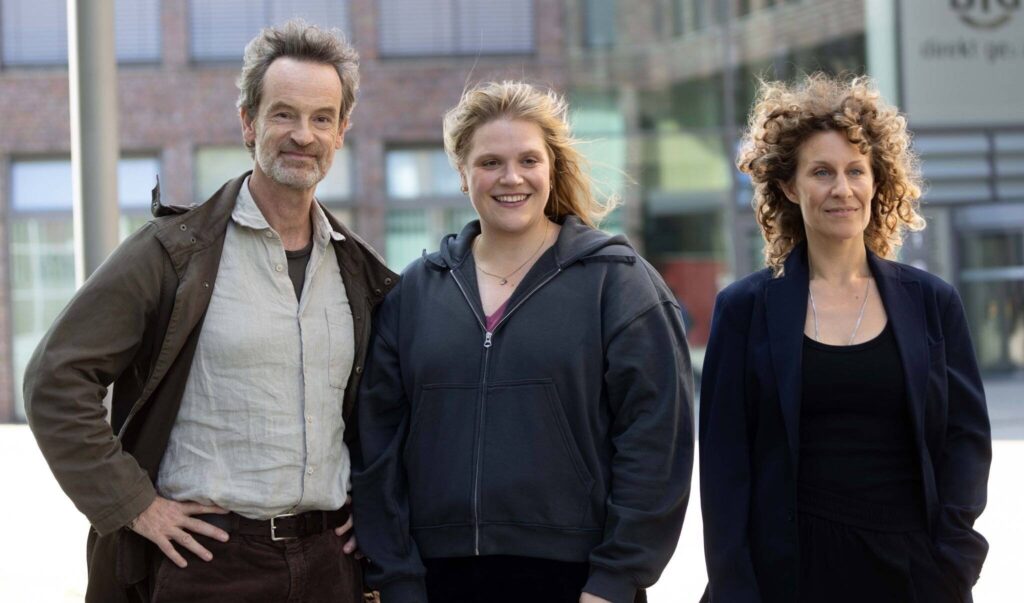
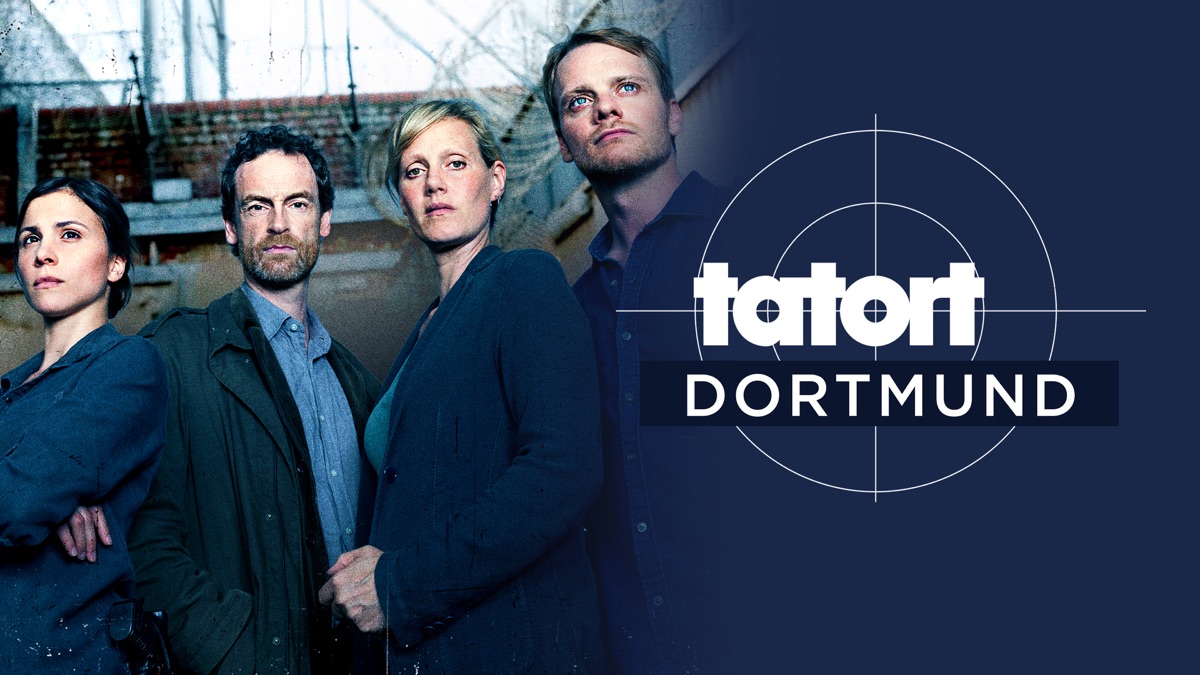
At the heart of tatort dortmund beats a cast of characters who feel like old friends – or sometimes, complicated family members. Leading the charge is Peter Faber, the brooding Kriminalhauptkommissar whose personal tragedies fuel his relentless drive for justice. Jörg Hartmann’s portrayal brings a layer of vulnerability that’s refreshingly human; Faber’s not invincible, but his optimism shines through in his unwavering commitment to his team and the city.
Then there’s the ever-evolving supporting cast. Martina Bönisch, played by Anna Schudt, was a cornerstone from 2012 to 2018, offering a steady, empathetic counterbalance to Faber’s intensity. Her departure marked a turning point, but it paved the way for new dynamics. Enter Rosa Herzog, portrayed by Stefanie Reinsperger from 2021 to 2025, who brought a fresh, no-nonsense energy that invigorated the investigations. And let’s not forget Ira Klasnić, played by Alessija Lause, whose sharp instincts and cultural insights add depth to the team’s multicultural vibe.
Other notable figures include Jan Pawlak (Rick Okon), who joined in 2018 and stayed until 2024, providing youthful enthusiasm and tech-savvy skills. Earlier members like Nora Dalay (Aylin Tezel) and Daniel Kossik (Stefan Konarske) from 2012 to 2015 and 2018 respectively, contributed to the series’ early grit. Each character arc in tatort dortmund highlights growth and resilience, reminding us that even detectives have their ups and downs, but they always bounce back stronger.
Iconic Episodes from Tatort Dortmund
If there’s one thing tatort dortmund excels at, it’s delivering episodes that stick with you long after the credits roll. Take “Alter Ego” (2012), the premiere that set the tone with a chilling serial killer case involving gay men in Dortmund. It wasn’t just about the mystery; it explored themes of identity and prejudice, ending on a note of hope as the team unites.
Another standout is “Tollwut” (2018), where a rabies outbreak in prison leads to chaos, testing the team’s limits. The episode’s tension is palpable, but it underscores the importance of quick thinking and collaboration, leaving viewers optimistic about human ingenuity. Then there’s “Schmerz” (2026), the recent farewell to Rosa Herzog, blending personal pain with a gripping investigation. It’s a poignant reminder that change can lead to new beginnings.
- “Hydra” (2014): A serial rapist targeting young girls pushes the team to their emotional brink, highlighting societal protections for the vulnerable.
- “Kaltstart” (2015): Murder in a neo-Nazi group exposes extremism, but the resolution affirms justice’s triumph.
- Recent Gems like “Rache” (2025): Deals with revenge and trauma, yet ends with healing and forward momentum.
These episodes aren’t mere entertainment; they’re catalysts for discussion, showing tatort dortmund’s knack for blending thrills with meaningful messages.
The Setting: Dortmund as a Backdrop
Dortmund isn’t just a location in tatort dortmund; it’s a character in its own right. The city’s industrial heritage, with its towering chimneys and revitalized parks, provides a dynamic stage for crimes that feel rooted in reality. From the bustling Westfalenpark to the gritty suburbs, each scene captures Dortmund’s transition from coal town to tech hub, infusing stories with an optimistic glow of urban renewal.
Filming on location adds authenticity – think rainy streets echoing with sirens or sunny plazas where clues unfold. This approach not only boosts local pride but also attracts tourists eager to walk in Faber’s footsteps. Moreover, tatort dortmund often weaves in local events, like football rivalries or cultural festivals, making episodes feel timely and connected. It’s this seamless integration that makes the series a love letter to Dortmund, encouraging viewers to see the city’s potential beyond its challenges.
In essence, the setting amplifies the narratives, showing how a place can influence people positively, fostering growth amid adversity in tatort dortmund.
Behind the Scenes of Tatort Dortmund
Peeking behind the curtain of tatort dortmund reveals a world of dedicated creators who pour their hearts into every frame. Produced by Bavaria Fiction for WDR, the series benefits from a collaborative spirit that’s as optimistic as the stories it tells. Directors like Sabine Bernardi and writers such as Jürgen Werner craft plots that balance suspense with emotional truth.
Actors often share anecdotes about the intense filming schedules, but they emphasize the camaraderie that makes it worthwhile. Jörg Hartmann, for instance, has spoken about drawing from personal experiences to portray Faber’s depth, adding layers that resonate. The production team also prioritizes diversity, reflecting Dortmund’s multicultural fabric, which enriches the storytelling.
Challenges like weather delays or script revisions are met with creativity, turning potential setbacks into opportunities for innovation. This behind-the-scenes magic ensures tatort dortmund remains fresh and engaging, a testament to the power of teamwork.

The Evolution of the Team in Tatort Dortmund
Change is the only constant in tatort dortmund, and the team’s evolution keeps things exciting. Starting with the quartet of Faber, Bönisch, Dalay, and Kossik in 2012, the dynamics were charged with tension and loyalty. As members came and went – Dalay’s exit in 2015, Bönisch’s in 2018 – new faces like Pawlak and Herzog brought fresh perspectives.
Rosa Herzog’s departure in 2025, announced amid her focus on theater and other projects, marks another shift. Yet, with Ira Klasnić stepping up alongside Faber, the future looks bright. This fluidity mirrors life, where teams adapt and grow, always emerging stronger.
The optimism here is palpable: each change introduces new storylines, preventing stagnation and keeping fans hooked on tatort dortmund’s ever-unfolding saga.
Cultural Impact of Tatort Dortmund
Tatort dortmund has left an indelible mark on German culture, sparking conversations about crime, mental health, and social issues. Its portrayal of a flawed hero like Faber has normalized discussions on depression and trauma, encouraging empathy in a society that’s increasingly open about such topics.
The series boosts Dortmund’s image, drawing fans to fan events and tours. It’s also influenced other shows, proving that character-driven crime dramas can succeed. Internationally, with subtitles on platforms like MHz Choice and Amazon, tatort dortmund introduces global audiences to German storytelling’s nuances.
In schools and media studies, it’s cited for its narrative techniques, inspiring the next generation. Overall, tatort dortmund fosters a sense of community and hope, showing art’s power to unite and uplift.
Future Prospects for Tatort Dortmund
Looking ahead, tatort dortmund brims with potential. With Faber at the helm and new team members on the horizon, expect more intricate plots that tackle contemporary issues like cybercrime or environmental threats. The WDR’s commitment ensures ongoing production, perhaps even crossovers with other Tatort teams.
Fans can anticipate deeper character explorations, maintaining the optimistic tone that defines the series. As Dortmund continues to evolve, so will the stories, keeping tatort dortmund relevant and beloved for years to come.
| Character | Actor | Tenure | Key Traits | Notable Episodes |
|---|---|---|---|---|
| Peter Faber | Jörg Hartmann | 2012–Present | Driven, haunted, optimistic leader | Alter Ego, Schmerz |
| Martina Bönisch | Anna Schudt | 2012–2018 | Empathetic, steady | Hydra, Kaltstart |
| Rosa Herzog | Stefanie Reinsperger | 2021–2025 | No-nonsense, insightful | Recent cases like Rache |
| Ira Klasnić | Alessija Lause | 2021–Present | Sharp, culturally aware | Schmerz and beyond |
| Jan Pawlak | Rick Okon | 2018–2024 | Youthful, tech-savvy | Tollwut |
This table highlights how the team’s composition has shaped tatort dortmund’s success.
Fazit
In wrapping up, tatort dortmund emerges as a shining example of television that entertains while enlightening. Its blend of suspense, character development, and real-world relevance has made it a staple in German households, fostering optimism about justice and human resilience. As the series continues to adapt and thrive, it promises even more compelling tales from the heart of the Ruhr. Whether you’re a longtime fan or new to the fold, tatort dortmund invites you to explore its world, leaving you inspired and eager for the next case.
FAQs
- Was macht tatort dortmund einzigartig im Vergleich zu anderen Tatort-Serien? Tatort dortmund zeichnet sich durch seine tiefgehenden Charakterstudien und den Fokus auf psychologische Aspekte aus, was es von rein handlungsgetriebenen Episoden unterscheidet.
- Wer ist der Hauptcharakter in tatort dortmund? Peter Faber, gespielt von Jörg Hartmann, ist der zentrale Ermittler, dessen persönliche Kämpfe die Serie prägen.
- Wie viele Folgen hat tatort dortmund bisher? Bis 2026 gibt es über 29 Folgen, mit kontinuierlicher Produktion.
- Warum hat Rosa Herzog das Team verlassen? Stefanie Reinsperger wollte sich anderen Projekten widmen, einschließlich Theaterarbeit.
- Wo kann man tatort dortmund streamen? Es ist auf Plattformen wie ARD Mediathek, MHz Choice und Amazon Prime verfügbar, oft mit Untertiteln für internationale Zuschauer.